
At some point, every growing healthcare operation hits the same wall. Output needs to increase, compliance tightens, and manual processes begin to show strain.
The companies that move forward do not simply add more people to the process. They redesign the system.
That redesign is healthcare automation.
If you operate in pharmaceuticals, medical devices, or regulated manufacturing, understanding this shift holds strategic importance for your business.
What is Healthcare Automation?
Healthcare automation refers to the use of technology to perform processes within healthcare and regulated environments with minimal manual intervention.
It is not limited to hospitals. It spans the full ecosystem:
- Pharmaceutical manufacturing
- Medical device production
- Diagnostic laboratories
- Packaging and serialisation
- Supply chain traceability
At its core, healthcare automation is an application of industrial automation within environments that demand strict compliance, accuracy, and traceability.
It typically involves:
- Robotic, dispensing, and pick-and-place systems
- Programmable logic controllers (PLCs) and PC-based control systems
- SCADA monitoring systems
- Vision inspection technology
- Manufacturing execution systems
- Integrated data tracking platforms
The goal of healthcare automation is to improve precision, strengthen compliance, and increase operational control.
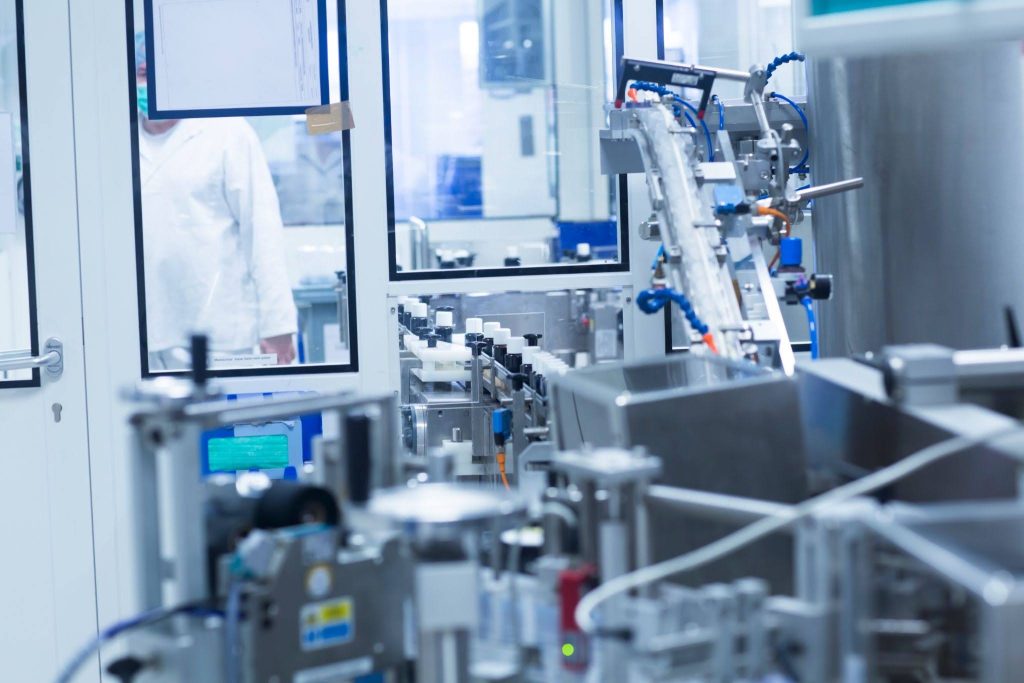
Where Healthcare Automation is Applied Today
Understanding the landscape helps you identify where it fits within your own operations.
Pharmaceutical and Medical Manufacturing
This is where automation delivers immediate operational impact.
Applications include:
- Automated filling and capping systems
- Cleanroom material handling
- Vision-based quality inspection
- Packaging and labelling verification
- Serialisation and track-and-trace integration
These systems operate within validated parameters. They reduce deviation risk and improve batch consistency.
Laboratory and Diagnostic Environments
In laboratories, automation focuses on throughput and reliability.
Examples include:
- Automated sample handling
- Robotic liquid handling systems
- Integrated laboratory data management
- High-volume diagnostic equipment coordination
The result is faster processing and reduced human handling errors.
Supply Chain and Compliance Infrastructure
Automation also extends beyond production.
It supports:
- Real-time inventory monitoring
- Cold chain tracking
- Electronic batch records
- Digital audit trails
In regulated industries, this level of traceability protects both patient safety and corporate reputation.
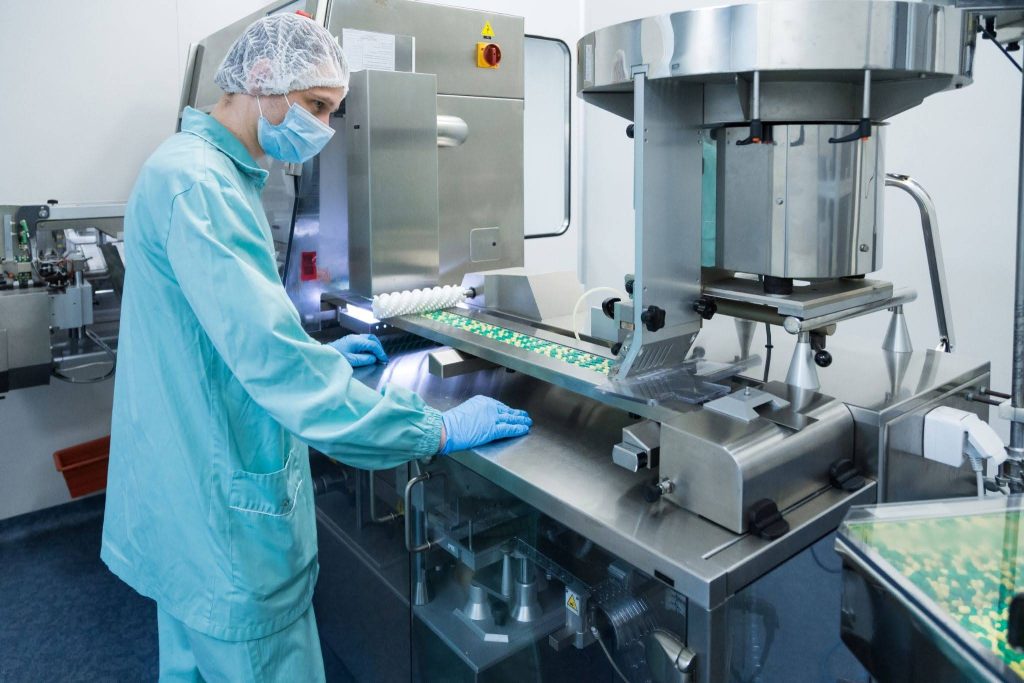
Why Healthcare Automation Has Become a Competitive Necessity
Regulatory expectations are increasing globally. Documentation requirements are stricter. Error tolerance is lower than ever.
Manual processes create variability, and variability creates risk. In regulated healthcare environments, even small inconsistencies can affect product quality, compliance status, and operational stability.
Healthcare automation addresses this by embedding control directly into the system. Processes follow validated parameters, data is recorded automatically, and deviations become easier to detect and manage.
For business owners and operations leaders, this translates into measurable operational advantages.
Benefits of Healthcare Automation for Your Operations
Greater Accuracy and Process Consistency
Automation executes tasks within predefined parameters every cycle.
This reduces:
- Dosage variation
- Labelling errors
- Packaging defects
- Manual data entry mistakes
Consistency supports Good Manufacturing Practices (GMP) compliance and simplifies validation.
Stronger Regulatory Alignment
Automated systems generate structured and timestamped data.
This supports:
- Electronic batch documentation
- Audit readiness
- Deviation tracking
- Controlled system access
When inspections occur, documented process integrity is already built into the workflow.
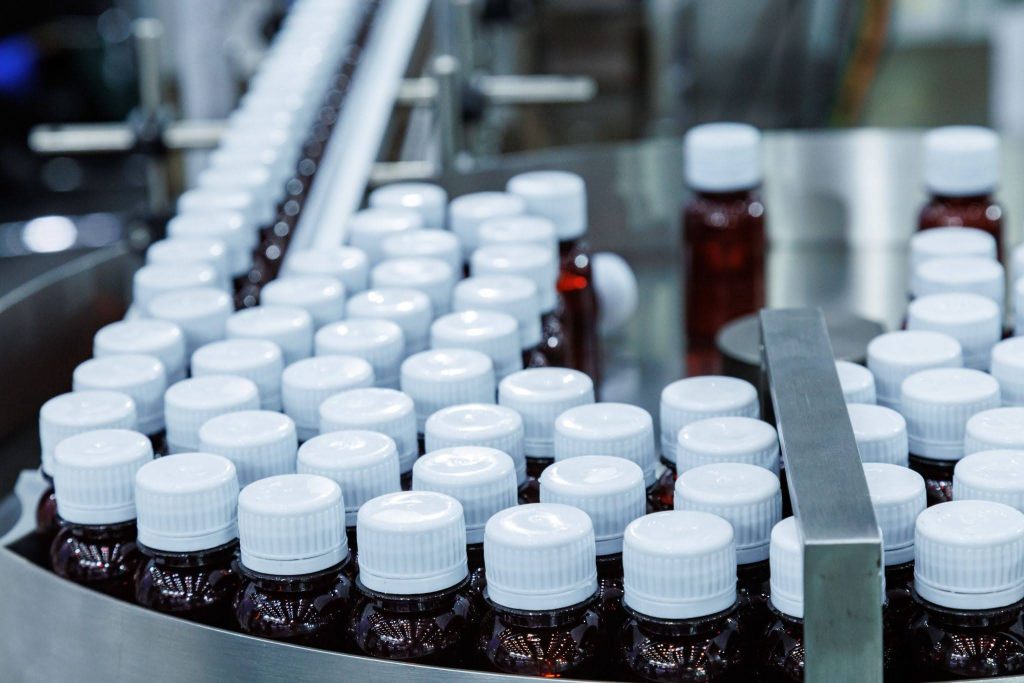
Increased Throughput Without Compromising Standards
Automated production lines can operate continuously within controlled conditions.
This improves:
- Output volume
- Production scheduling reliability
- Changeover efficiency
Most importantly, productivity gains do not come at the expense of quality.
Better Use of Skilled Workforce
Your engineers and technicians should focus on oversight and optimisation, instead of repetitive manual execution.
Automation allows your team to:
- Monitor performance metrics
- Improve process efficiency
- Analyse system data
- Lead innovation initiatives
This shifts your operation from labour-dependent to systems-driven.
Improved Traceability Across the Value Chain
Integrated automation systems enable:
- Product serialisation
- Real-time batch tracking
- ERP integration
- Supply chain visibility
If a quality issue arises, response time is significantly reduced. That level of control protects both compliance standing and brand trust.
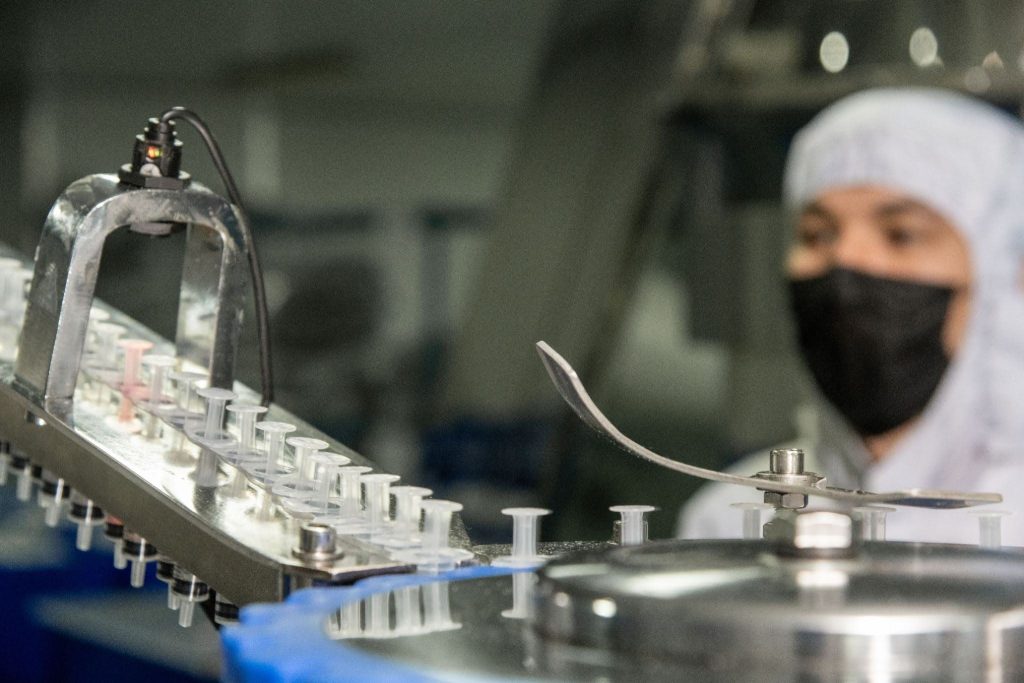
The Technology That Powers Modern Healthcare Automation
Healthcare automation relies on proven industrial technologies adapted for regulated environments.
These include:
- Robotic arms and collaborative robots
- Programmable logic controllers (PLCs) and PC-based controllers
- SCADA supervisory systems
- Industrial Internet of Things (IIoT) sensors
- Vision inspection systems
- Data integration platforms
The real advantage lies in how these technologies work together. Individual machines can improve specific tasks. Integrated automation systems, however, allow you to optimise entire production environments.
Planning Automation the Right Way
Successful automation begins with careful planning. Before implementation, you should evaluate:
- Current production bottlenecks
- Compliance requirements
- Validation processes
- Cleanroom classifications
- Scalability needs
- Long-term maintenance capability
A phased implementation strategy often reduces risk. High-impact processes are automated first, performance is validated, then expansion follows.
Above all, system architecture must be designed with integration in mind from the start.
Why Turnkey Engineering Matters in Healthcare Environments
In regulated industries, fragmented systems create validation challenges.
A turnkey automation partner provides:
- End-to-end system design
- Equipment manufacturing
- Software integration
- Compliance-ready documentation
- Ongoing technical support
This reduces integration risk and simplifies accountability.
Instead of managing multiple vendors, you work with one engineering partner responsible for system performance as a whole.
How MMI Systems Supports Healthcare Automation
MMI Systems support manufacturers through both Build-to-Print equipment manufacturing and Design-and-Build automation engineering. Each system is developed to suit real production environments.
Every project begins with understanding your operational needs before translating them into reliable automation solutions.
Our capabilities include:
- Automation equipment manufacturing and system integration
- Including automated material handling systems, precision automation, full assembly lines, and Automated Guided Vehicles (AGVs).
- Machine vision and AI-driven inspection
- High-precision systems detect defects such as cracks, scratches, dents, and surface contamination.
- Engineering design and industrial software development
- Mechanical, electrical, and control system integration using technologies such as C++, Cognex Vision, and SECS/GEM.
- Compliance-ready automation systems
- Designed to meet recognised standards such as SEMI, NFPA, NEMA, and CE.
With the right automation architecture, you can improve efficiency, product quality, and long-term operational reliability.
Explore our capabilities and services page.
Preparing Your Operations for Healthcare Automation
Healthcare automation enables manufacturers to build precise, traceable, and scalable production systems.
If you are exploring automation within your healthcare or regulated manufacturing environment, start with a technical discussion.
Contact us at mmisyg-enquiry@mmi.com.sg or through our online contact form to learn how a customised turnkey automation solution can support your operations.