Turnkey automation has become a popular approach for manufacturers looking to automate production processes without managing multiple vendors and disconnected systems.
But what exactly does turnkey automation involve, and why are more businesses investing in it?
What is a Turnkey Automation Machine?
A turnkey automation machine is a fully integrated, custom-built production system designed to automate a specific manufacturing process. It seamlessly combines advanced technologies – such as robotics, programmable logic controllers, industrial conveyors, and automated inspection systems – into a singular, highly coordinated solution.
Unlike standalone equipment, a turnkey automation system is engineered, built, software-integrated, factory-tested, and deployed by a single industrial automation provider. Once installed on your factory floor, the machine is completely optimised and ready to perform a defined production process with minimal additional setup.
Rather than burdening your internal team with coordinating multiple equipment suppliers, manufacturers work with one automation partner responsible for the complete system design, integration, testing, and deployment. This approach helps ensure all components work together seamlessly from the start while providing a single point of accountability throughout the project lifecycle.
What Components Make Up a Turnkey Automation Machine?
Depending on your industry and production requirements, a turnkey automation machine may include:
Robotic Handling Systems
Industrial robots can perform tasks such as:
- Pick-and-place operations
- Dispensing applications
- Assembly processes
- Packaging automation
- Material transfer
Robotics improve speed, consistency, and precision, especially in repetitive environments.
Vision Inspection Technology
Machine vision systems help automate quality inspection processes.
These systems can identify surface defects, alignment issues, missing components, or dimensional inconsistencies in real time during production.
This reduces reliance on manual inspection while improving quality assurance consistency.
PLC and PC-Based Control Systems
Programmable Logic Controllers (PLCs) and PC-based controllers act as the central control system for automated equipment.
They coordinate machine movements, sensors, safety systems, and production sequences in real time.
Conveyor and Material Flow Systems
Efficient material movement is essential for production stability.
Conveyor systems help streamline product transfer between stations while reducing unnecessary manual handling.
SCADA and Monitoring Systems
Supervisory Control and Data Acquisition (SCADA) systems allow operators to monitor machine status, alarms, production data, and system performance through a centralised interface.
This improves operational visibility, response times, and Overall Equipment Effectiveness (OEE).
Safety Systems
Safety systems help protect operators while ensuring compliance with workplace safety requirements.
These may include:
- Safety light curtains
- Safety interlocks
- Emergency stop systems
- Safety sensors
Human-Machine Interfaces (HMIs)
Intuitive graphical dashboards provide operators with an interface to control, monitor, and interact with the machine by displaying real-time metrics, system performance, and alarm logs.
They can display:
- Production status
- Machine performance
- Alarm notifications
- Operating parameters
When combined, these subsystems form a turnkey automation machine capable of executing a complete production workflow with minimal manual intervention.
Why Manufacturers are Investing in Turnkey Automation Machines
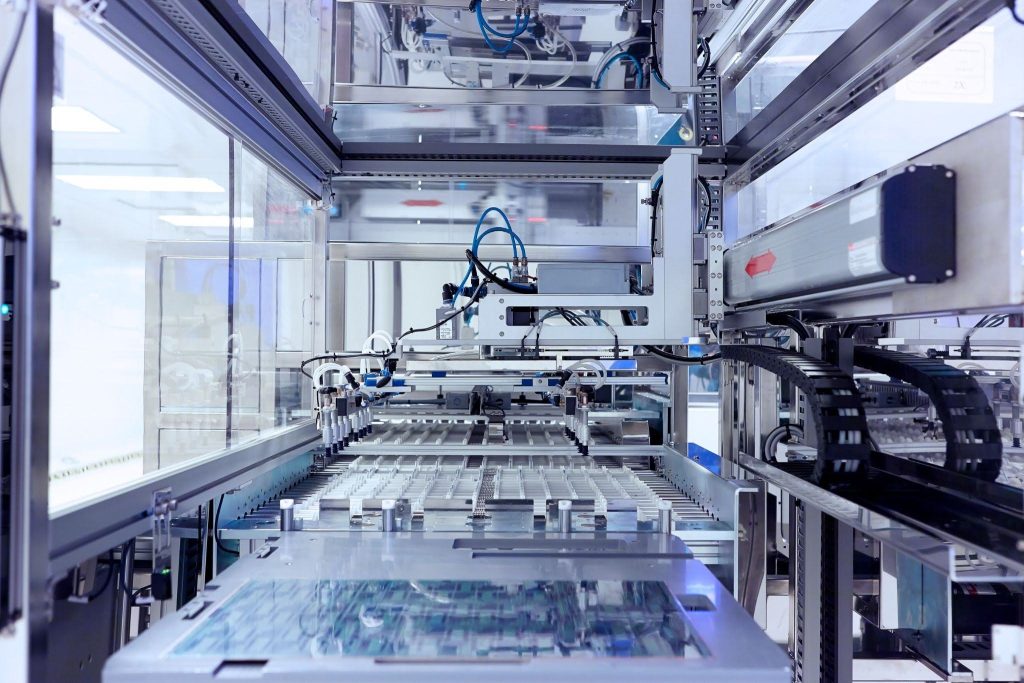
Global manufacturers today face growing pressure to accelerate throughput, eliminate quality drift, and control operational overheads. As a result, many businesses are investing in turnkey automation machines to address industrial bottlenecks:
Maximising Product Consistency
Manual handling and repetitive processes introduce human error and variation into production. Turnkey automation machines help standardise processes with micron-level repeatability, ensuring your output matches strict engineering tolerances every single run.
Increasing Production Throughput
Legacy workflows often struggle to keep up with increasing production demands. Automated systems are designed to optimise production flow across multiple continuous stages, helping manufacturers unlock higher daily yields.
Improving Data Visibility
Modern turnkey automation machines can integrate directly with Manufacturing Execution Systems (MES), SCADA monitoring, and production tracking platforms. This allows operations managers to monitor real-time efficiency, machine performance, downtime trends, predictive maintenance schedules, and full product traceability.
This allows manufacturers to monitor in real time:
- Production efficiency
- Machine performance
- Downtime trends
- Product traceability
- Maintenance schedules
Reducing Labour Dependency
Many manufacturers continue to face labour shortages and workforce challenges.
Automation helps reduce reliance on hard-to-fill repetitive manual tasks while allowing employees to focus on higher-value technical activities.
Improve production efficiency and output with a customised turnkey automation machine. Contact MMI Systems via emailor our contact form to learn more.
How Turnkey Automation Machines Differ From Traditional System Integration
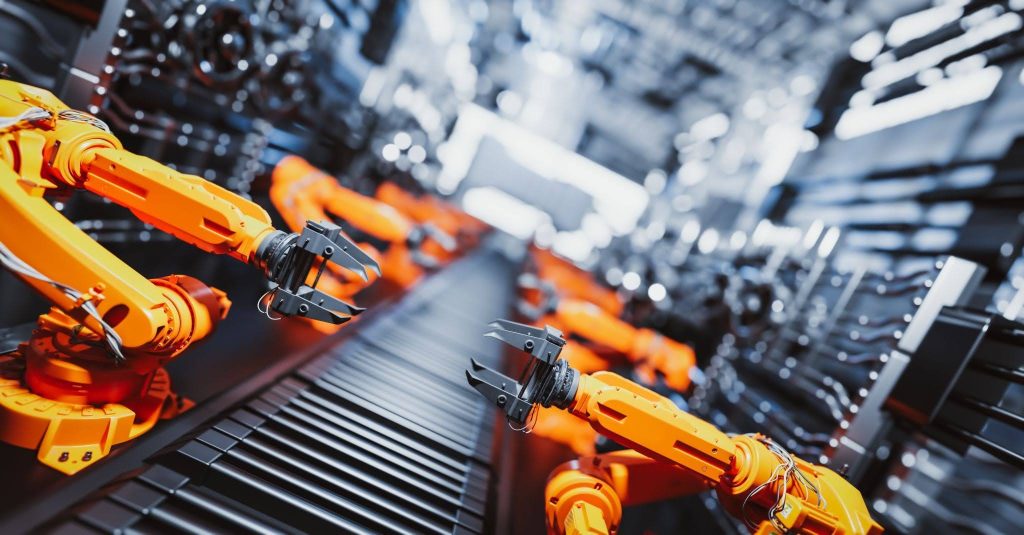
There is a major difference between investing in a turnkey automation machine and coordinating separate automation vendors independently.
With traditional project coordination, manufacturers often engage multiple suppliers for different parts of the system – sourcing robotics from one company, conveyors from another, software from a third, and electrical integration from a fourth. While this approach seems flexible initially, it routinely creates severe project risks:
- Communication gaps between unaligned vendors
- Long, unpredictable deployment timelines
- Hardware and software compatibility issues between systems
- Delays and finger-pointing during troubleshooting
- An overwhelming project management burden
- Unclear accountability when system errors happen during commissioning
A turnkey automation provider completely eliminates these risks. You work with one cohesive engineering team that oversees the project from concept development through to final deployment. Every component is natively designed to function together, accelerating your time-to-market and reducing operational risk.
Industries That Commonly Use Turnkey Automation Machines
Turnkey automation machines are widely used across many industries in Singapore and globally.
Common applications include:
- Electronics manufacturing
- Medical device production
- Semiconductor manufacturing
- Automotive component manufacturing
- Consumer product assembly
- Food and beverage packaging
- Precision engineering
- Pharmaceutical manufacturing
Each industry has unique production requirements, compliance standards, and quality expectations. This is why turnkey automation machines are typically customised to suit specific manufacturing environments.
What to Consider Before Investing in a Turnkey Automation Machine
Automation can deliver significant long-term value when implemented correctly. However, successful implementation begins with understanding your operational requirements.
Production Challenges and Objectives
Start by identifying the key challenges affecting your production line.
Are you looking to:
- Increase throughput?
- Improve consistency?
- Reduce labour dependency?
- Minimise defects?
- Improve traceability?
- Reduce downtime?
Clear objectives help determine the most suitable automation strategy.
Production Volume and Scalability
Production demands often change over time.
A scalable turnkey automation machine can support future growth without requiring a complete redesign.
Integration with Existing Equipment
Many manufacturers prefer to upgrade their production capabilities gradually.
An experienced automation provider can often integrate new automation equipment with existing machinery where appropriate.
Long-Term Support and Maintenance
Automation systems require ongoing maintenance, optimisation, and technical support.
Working with a provider that offers long-term service support can help maintain system performance and minimise operational disruptions.
Why Customisation Matters for Turnkey Automation Machines
No two manufacturing environments operate in exactly the same way.
Even businesses within the same industry may have different:
- Product specifications
- Factory layouts
- Production speeds
- Compliance requirements
- Workforce structures
- Quality control processes
This is why turnkey automation machines are often customised around specific operational requirements rather than built as generic off-the-shelf solutions.
Read more — Custom Automation vs Off-the-Shelf Automation: Which Is Perfect for You?
The Long-Term Value of Turnkey Automation Machines
The initial investment in automation can be significant. However, many manufacturers evaluate automation based on the long-term operational improvements it can deliver.
Over time, turnkey automation machines may help businesses achieve:
- Higher production consistency
- Reduced operational downtime
- Improved product quality
- Better production traceability
- Lower dependency on manual labour
- Improved workplace safety
- Stronger production scalability
For many manufacturers, automation also supports greater competitiveness in industries where efficiency, precision, and reliability continue to drive success.

Building the Right Turnkey Automation Machine for Your Production Line
A turnkey automation machine is a complete production system designed to support your operational goals, quality requirements, and future growth plans.
At MMI Systems, we engineer customised turnkey automation systems and advanced precision engineering solutions tailored to solve your most complex manufacturing challenges. From initial concept prototyping to final factory floor deployment, we deliver the reliability your operations demand.
Ready to get started? MMI Systems designs and develops customised turnkey automation machinestailored to your production requirements. Contact us to learn more.